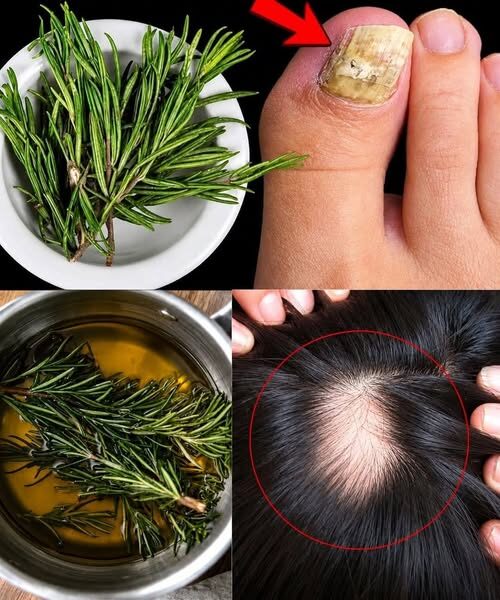
In the modern beauty landscape, few botanical ingredients have achieved the viral status of rosemary (Rosmarinus officinalis). From trending videos showcasing miraculous hair growth transformations to DIY recipes promising to cure stubborn nail and foot issues, rosemary has become the go-to home remedy for holistic care.
But what does the science actually say? While rosemary is undoubtedly a powerhouse of active plant compounds, it is not a magical overnight cure-all. To get the absolute best results for your beauty routine, it is essential to understand exactly what this aromatic herb can—and cannot—do for your scalp, nails, and feet.
1. The Science: Why Rosemary is a Beauty Powerhouse
The therapeutic properties of rosemary don’t come from a mysterious source; they are driven by specific, highly concentrated phytochemicals within the plant’s leaves:
- Carnosic Acid & Rosmarinic Acid: Powerful antioxidants that protect tissue from oxidative stress, reduce localized inflammation, and stimulate cellular repair.
- 1,8-Cineole (Eucalyptol): A natural compound known for its strong antimicrobial, antibacterial, and circulation-boosting properties.
- Caffeic Acid Derivatives: Plant elements that help fortify cellular walls, making them highly effective for soothing irritated or compromised skin barriers.
2. Rosemary Reality Check: Capabilities vs. Limitations
| Application Area | What It CAN Do (The Science) | What It CANNOT Do (The Myth) |
| Scalp & Hair | Boosts circulation to hair follicles; reduces dandruff-causing yeast (Malassezia); mimics low-dose minoxidil over long periods (6+ months). | Cannot fix genetic baldness or reverse permanent scarring alopecia overnight; will not accelerate hair growth beyond your natural biological limits. |
| Nails & Cuticles | Hydrates the skin barrier; protects against micro-bacterial entry; softens stubborn, dry cuticles when mixed with a carrier oil. | Cannot cure deep-seated, advanced nail fungus on its own; will not instantly repair a physically split or crushed nail matrix. |
| Foot Care | Neutralizes foot odor by killing surface bacteria; refreshes fatigued arches; softens rough calluses when used in hot water steeps. | Cannot instantly dissolve heavy corns or heal deep, bleeding heel fissures without medical-grade structural creams. |
3. Step-by-Step: How to Safely Build Your Own Rosemary Elixirs
Using rosemary safely requires the correct dilution and preparation. Applying pure, undiluted rosemary essential oil directly to your skin can cause severe contact dermatitis or chemical burns. Follow these precise, professional steps to create safe, high-efficacy remedies at home.
1.The Scalp Stimulating Infusion (Rosemary Water):Preparation Time: 20 mins.
Bring 2 cups of distilled water to a rolling boil. Add 3-4 sprigs of fresh organic rosemary (or 2 tablespoons of dried rosemary). Reduce the heat, cover with a tight lid, and simmer gently for 10 minutes. Turn off the heat and let the mixture steep until it cools completely. Strain the dark, aromatic water into a clean spray bottle and store it in the refrigerator for up to 7 days.
2.The Intensive Nail & Cuticle Oil:Preparation Time: 5 mins.
In a small amber dropper bottle, mix 2 ounces of a nourishing carrier oil (such as jojoba or sweet almond oil, which mimic the skin’s natural sebum). Add exactly 6 to 8 drops of pure, therapeutic-grade rosemary essential oil. Shake the bottle thoroughly before each application.
3.The Deodorizing & Refreshing Foot Steep:Preparation Time: 15 mins.
Fill a clean basin with warm water. Add 1 cup of Epsom salts to relax tired muscles, 1 cup of your prepared rosemary water, and 5 drops of rosemary essential oil pre-diluted in a tablespoon of olive oil.
4. Optimized Application Techniques for Maximum Results
For the Scalp: The 3-Month Consistency Rule
To effectively combat an itchy scalp or promote thicker-looking roots, mist your homemade rosemary water directly onto clean roots 3 to 4 times a week. Massage it deeply into the scalp using your fingertips for 3 minutes to trigger microcirculation. There is no need to rinse it out, as it dries completely weightless and oil-free.
For the Nails: The Post-Manicure Shield
After shaping your nails and pushing back cuticles, apply a single drop of your custom Rosemary Cuticle Oil to the base of each nail. Massage it firmly into the surrounding skin walls. The antimicrobial attributes of the rosemary will help shield the vulnerable cuticle barrier against environmental toxins and daily wear, while the carrier oil prevents painful hangnails.
For the Feet: The Evening Refresh
Soak your feet in the warm Rosemary and Epsom salt steep for 15 to 20 minutes once or twice a week. Afterward, use a pumice stone to gently smooth away softened calluses. This dual approach completely eliminates odor-causing bacteria while softening tough skin textures on the heels.
The Professional Verdict: Rosemary is one of nature’s finest gifts for clean beauty, but consistency is its true catalyst. Whether you are looking to revitalize your scalp environment, keep your cuticles deeply moisturized, or keep your feet entirely refreshed, skip the overnight miracle hype and embrace rosemary as a committed, long-term partner in your self-care ritual.