
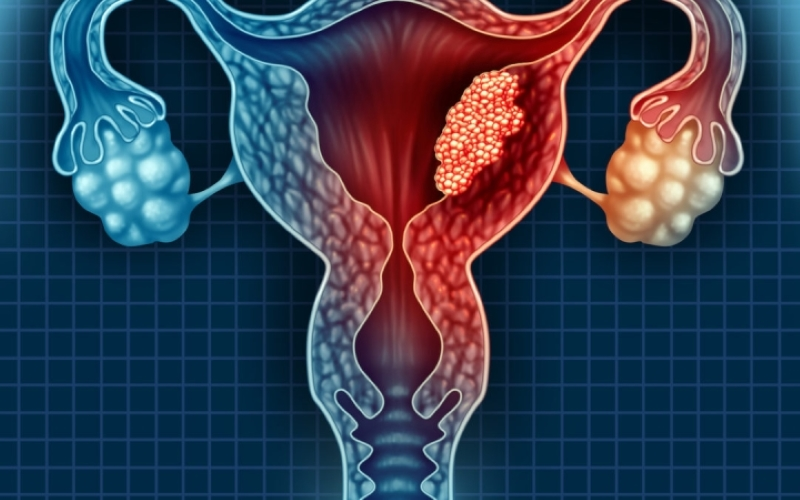
In its earliest stages, cervical cancer is often completely silent. However, as abnormal cells progress, certain noticeable changes can occur. Women should consult a healthcare provider if they experience any of the following symptoms:
- Abnormal Vaginal Bleeding: This includes bleeding between regular menstrual cycles, unusually heavy periods, bleeding after menopause, or bleeding after intimacy.
- Unusual Vaginal Discharge: Discharge that is persistent, watery, pale, pink, or has a strong, unusual odor should always be evaluated.
- Pelvic Pain: Unexplained, persistent pain in the lower abdomen or pelvic region that is unrelated to normal menstrual cramping.
- Pain During Intimacy: Experiencing discomfort or pain during intercourse can sometimes be an indicator of cervical inflammation or underlying tissue changes.
Key Prevention and Early Detection Strategies
The vast majority of cervical cancer cases are directly linked to persistent infections from high-risk strains of the Human Papillomavirus (HPV), a common viral infection. Fortunately, a combination of modern prevention tools makes this disease largely manageable.
| Prevention Method | How It Works & Frequency |
| The HPV Vaccine | Best administered during adolescence (ages 9–12), though it can be given up to age 26 (and sometimes up to age 45 depending on clinical discussion). It protects against the most common cancer-causing viral strains. |
| Routine Pap Smears | A simple screening test that looks for precancerous changes in cervical cells. Regular testing typically begins at age 21 and is repeated every 3 years for women with normal results. |
| Primary HPV Testing | For women aged 25 to 65, doctors often recommend an HPV test (either alone or combined with a Pap smear) every 5 years to detect the presence of high-risk viral strains before cell changes even begin. |
| Lifestyle Factors | Avoiding smoking significantly boosts the immune system’s natural ability to clear HPV infections, reducing the risk of cellular progression. |
The Takeaway: Routine screenings remain the absolute gold standard for cervical health. Precancerous changes can take several years to develop into cancer, giving healthcare providers a wide window of time to detect, treat, and completely resolve abnormal cells before they ever become a serious threat. Always discuss the best screening schedule for your personal health history with your doctor.