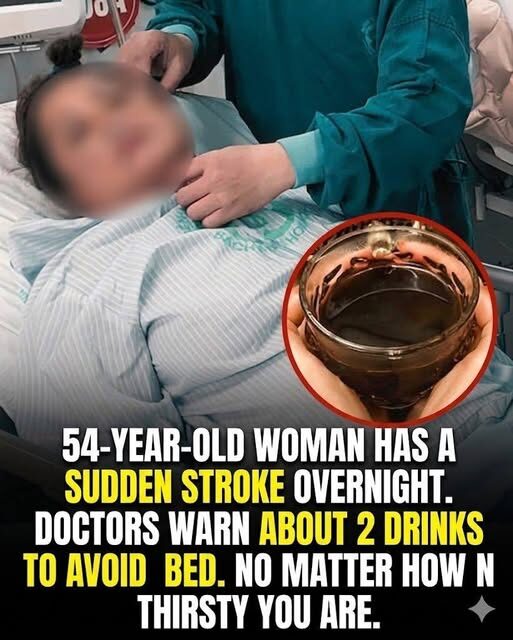
A 54-year-old woman experienced a stroke during the night, prompting renewed discussions among medical professionals about lifestyle factors that may influence cardiovascular health. While strokes can result from a variety of causes, experts say that certain evening habits may contribute to increased health risks over time.
Health specialists often emphasize the importance of maintaining healthy blood pressure, good sleep quality, and balanced hydration. They also point out that some beverages commonly consumed before bedtime may negatively affect these factors when consumed excessively.
Alcohol and Its Impact on the Body
Alcohol is one of the drinks frequently mentioned by health experts. Consuming alcohol late in the evening can interfere with normal sleep patterns, contribute to fluctuations in blood pressure, and place additional stress on the cardiovascular system.
While moderate consumption may be acceptable for some individuals, regular or excessive drinking can increase the risk of several health conditions, including heart-related problems and stroke.
Sugary and Highly Caffeinated Beverages
Another category that experts suggest limiting before bed includes sugary drinks and beverages containing high amounts of caffeine. These drinks may disrupt sleep, increase heart rate, and affect blood pressure levels in some people.
Poor sleep quality has been linked to a range of health concerns, making it important to establish healthy nighttime routines.
Small Changes Can Make a Difference
Medical professionals encourage people to focus on overall lifestyle habits rather than any single factor. Regular exercise, a balanced diet, adequate sleep, proper hydration, and routine medical checkups all play important roles in maintaining cardiovascular health.
Experts also recommend paying attention to warning signs such as sudden numbness, difficulty speaking, severe headaches, dizziness, or weakness on one side of the body. Immediate medical attention can be critical when a stroke is suspected.
A Reminder About Prevention
Although no single food or drink can completely prevent a stroke, making informed choices and maintaining healthy daily habits may help reduce risk. The incident serves as a reminder that long-term health is often influenced by the small decisions people make every day, including those made before going to sleep.