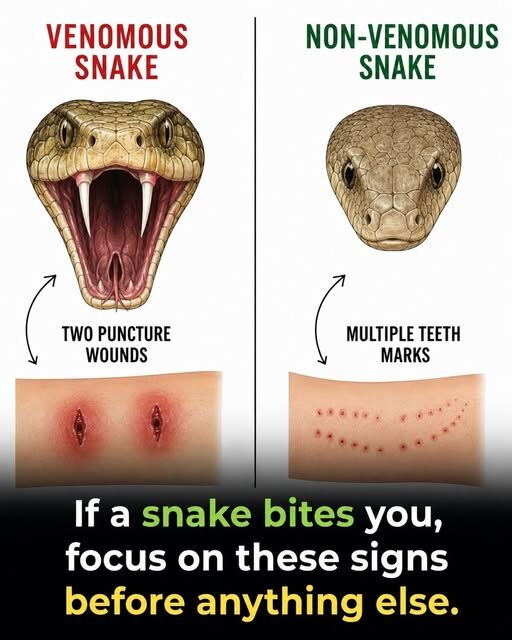
An encounter with a snake can turn an ordinary outdoor adventure or a backyard gardening session into a high-stakes medical emergency in a matter of seconds. When a snake strikes, panic naturally sets in, sending your heart racing. However, what you choose to do—and more importantly, what you choose not to do—in the first 30 minutes following a bite can dramatically influence medical outcomes.
While modern medicine has developed highly effective antivenoms, proper immediate first aid remains your vital first line of defense. Here is a definitive, science-backed guide on how to react efficiently to a snakebite to save a limb, or even a life.
The Golden Rule: Treat Every Bite as an Emergency
Unless you are a trained herpetologist, it is incredibly difficult to distinguish between a venomous and a non-venomous snake under stressful conditions. Many venomous species can deliver a “dry bite” (where no venom is injected), but you must never assume you are out of the woods. Always treat the situation with the utmost urgency.
[Snakebite Occurs] ➔ [Retreat to Safety] ➔ [Calm the Victim] ➔ [Immobilize & Call Emergency Services]
4 Critical Steps to Take Immediately
1. Move to a Safe Distance and Stay Calm
Your very first instinct should be to get out of the snake’s striking range. Do not attempt to chase, attack, or capture the snake, as this frequently leads to a second, more severe bite. Once safe, take deep breaths. Keeping your heart rate down is medically vital, as a rapid pulse pumps blood—and potential venom—through your circulatory system at a much faster rate.
2. Call Emergency Services Right Away
Do not wait for symptoms like swelling, dizziness, or nausea to appear before seeking help. Call emergency services immediately. If you are in a remote area without a signal, begin making your way toward the nearest medical facility that keeps antivenom in stock.
3. Immobilize the Affected Limb
Keep the bitten area completely still. If the bite is on a hand or arm, use a makeshift sling to restrict movement. If it is on a leg, try to keep the person from walking if transport is available.
- Positioning: Keep the bite site at or slightly below heart level. Elevating the wound above the heart can accelerate the spread of venom into your upper torso and vital organs.
4. Remove Constrictive Clothing and Jewelry
Venom often causes rapid, severe swelling in the affected limb. Rings, bracelets, tight watches, or snug clothing can quickly act as tourniquets, cutting off vital blood supply to your extremities and causing severe localized tissue necrosis (cell death). Strip these items off before the swelling begins.
The Dangerous Myths: What You Must ABSOLUTELY AVOID
Pop culture, old movies, and outdated survival manuals have spread dangerous myths about snakebites. Engaging in these outdated practices can worsen injuries or prove fatal.
- DO NOT Cut the Wound: Cutting the bite site with a knife does not release venom; it simply causes severe tissue damage, accelerates infection, and triggers uncontrollable bleeding.
- DO NOT Try to “Suck Out” the Venom: Whether using your mouth or a commercial suction pump device, this method is entirely ineffective. Venom absorbs into tissue far too quickly to be sucked out. Mouth suction also introduces dangerous bacteria into the wound and risks poisoning the person giving assistance.
- DO NOT Apply a Tight Tourniquet: Completely cutting off arterial blood flow traps the venom in a concentrated area, which rapidly destroys localized tissue and often results in mandatory amputation.
- DO NOT Apply Ice or Chemical Compresses: Ice does not neutralize venom; instead, it constricts blood vessels and exacerbates severe localized tissue injury.
Medical Summary Table
| Action | Why It Matters |
| Remove Jewelry/Rings | Prevents dangerous constriction as the limb begins to swell. |
| Keep Limb Below Heart | Slows down the systemic traveling speed of the venom. |
| Avoid Alcohol/Caffeine | These substances thin the blood and increase heart rate, spreading toxins faster. |
How to Help Doctors: Documenting the Snake
If it is safe to do so, take a quick photo of the snake from a distance using your phone. If you cannot get a photo, try to mentally note its size, color patterns, and the shape of its head or tail.
Never attempt to kill or bring the dead snake with you. Medical professionals do not need the physical snake; they can identify the necessary antivenom based on your description, your location, and the specific clinical symptoms you present at the emergency room.