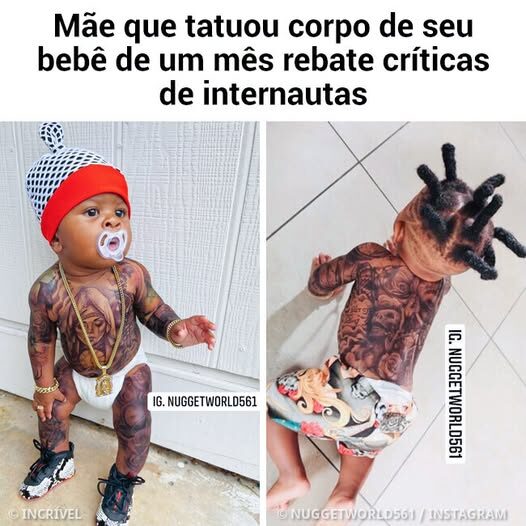
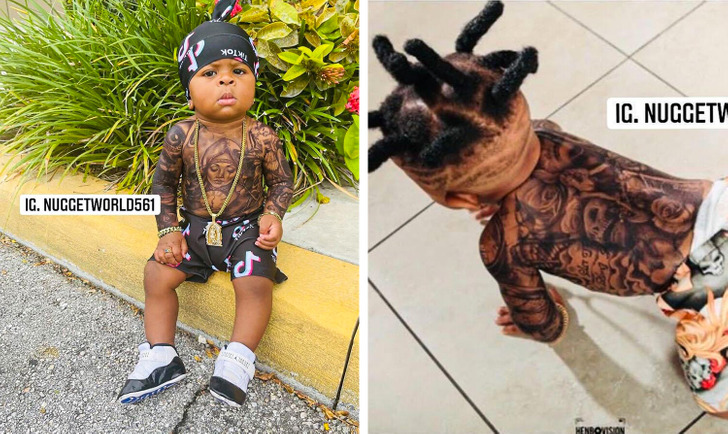
The boundaries of parenting and viral content have collided once again, sparking a massive wave of online condemnation. A mother has found herself at the center of a global internet firestorm after sharing clips showcasing extensive body art on her infant son.
While the internet is no stranger to unconventional parenting styles, the image of a baby covered in detailed ink proved to be a breaking point for thousands of onlookers, triggering fierce debates over child safety, ethics, and the lengths to which people will go for social media clout.
The Video That Shocked the Feeds
The controversy ignited when the mother posted a series of videos documenting her young son’s appearance. In the footage, the baby is seen sporting intricate, dark tattoo sleeves covering his arms, legs, and even parts of his torso—designs that mimic the heavy body art typically reserved for adults.
The backlash was instant and merciless. Thousands of comments flooded the post, ranging from profound confusion to outright fury:
- Accusations of Endangerment: Angry users immediately accused the mother of cruelty, pointing out the immense physical pain of the tattooing process and the severe health risks an infant’s delicate immune system would face from needles and permanent ink.
- Calls for Legal Action: The outrage escalated quickly, with several onlookers demanding that child protective services intervene, arguing that modifying a baby’s body in such a permanent way constitutes clear physical abuse.
The Reality Behind the Reality Reality Check
As the wave of condemnation threatened to overwhelm her channel, the truth behind the shocking visuals finally emerged: the tattoos were completely fake.
The mother revealed that the elaborate designs were actually high-quality temporary airbrush tattoos and water-transfer sleeves, completely safe for skin and entirely temporary. An artistic experiment meant to be a fun, edgy photo shoot turned out to be an accidental sociological experiment on internet outrage.
However, the revelation did little to quiet the storm. Instead, the conversation shifted from child safety to media ethics:
“Even if it’s fake, using a baby as a prop to bait people into anger just for views and engagement is a toxic new low for parenting influencers.”
Why the Internet’s Reaction Was So Severe
The collective gasp from the online community highlights a sacred social boundary. While society has become increasingly accepting of tattoos on adults, infants represent total vulnerability and a lack of consent.
Because temporary tattoos can look startlingly realistic under digital filters, the human brain automatically responds to the perceived threat to a child. While the mother may have intended the posts to be a harmless, creative statement, the incident stands as a stark reminder of how easily digital content can manipulate human emotion—and how quickly the internet will mobilize when it believes a child is in harm’s way.