
The digital age has mastered the art of the perfect illusion. Scroll through your feed on any given day, and you will be met with flawless skin, impossible proportions, and effortlessly immaculate makeup looks. However, a massive viral subculture has emerged to pull back the curtain on these curated images, showcasing the side-splitting gap between internet aesthetics and real life.
The online phenomenon of exposing “Instagram vs. Reality” beauty trends serves as a comforting, hilarious reminder that nobody actually looks like their digital avatar.
The Recipe for a Modern Beauty Fail
What makes these viral comparisons so addictive? It usually boils down to everyday people trying to recreate highly manufactured, heavily edited celebrity looks at home, only to realize that physics, anatomy, and lighting don’t work that way in the real world.
The internet’s favorite reality checks generally come down to a few iconic categories:
1. The Glued-On “Overlined” Lip Disaster
On screen, beauty influencers seamlessly over-line their lips with a pencil, apply a glossy topcoat, and look pouty and full. In real life under harsh supermarket lighting, this technique often ends up looking less like a celebrity plumping job and more like someone forgot to wipe off their chocolate milkshake.
2. The Illusion of Poreless, “Glass” Skin
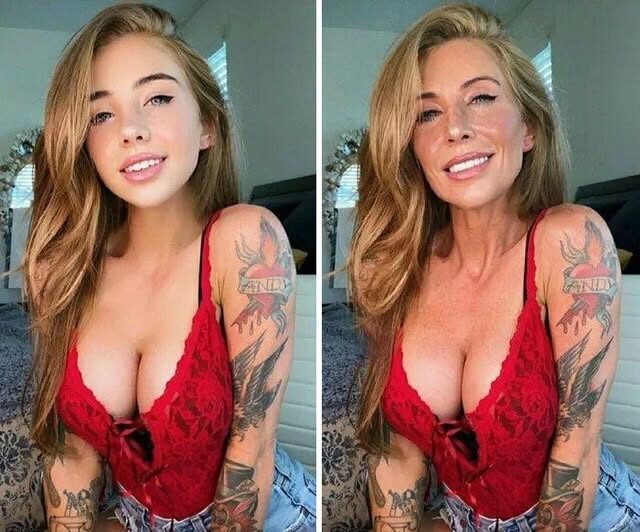
Social media filters have convinced a generation that human skin is supposed to look like smooth, reflective porcelain. When people try to replicate this using heavy layers of full-coverage foundation and baking powder, they quickly discover the reality: up close, it cakes, creases, settles into fine lines, and resembles textured drywall.
3. The Instagram Arch vs. The Human Spine
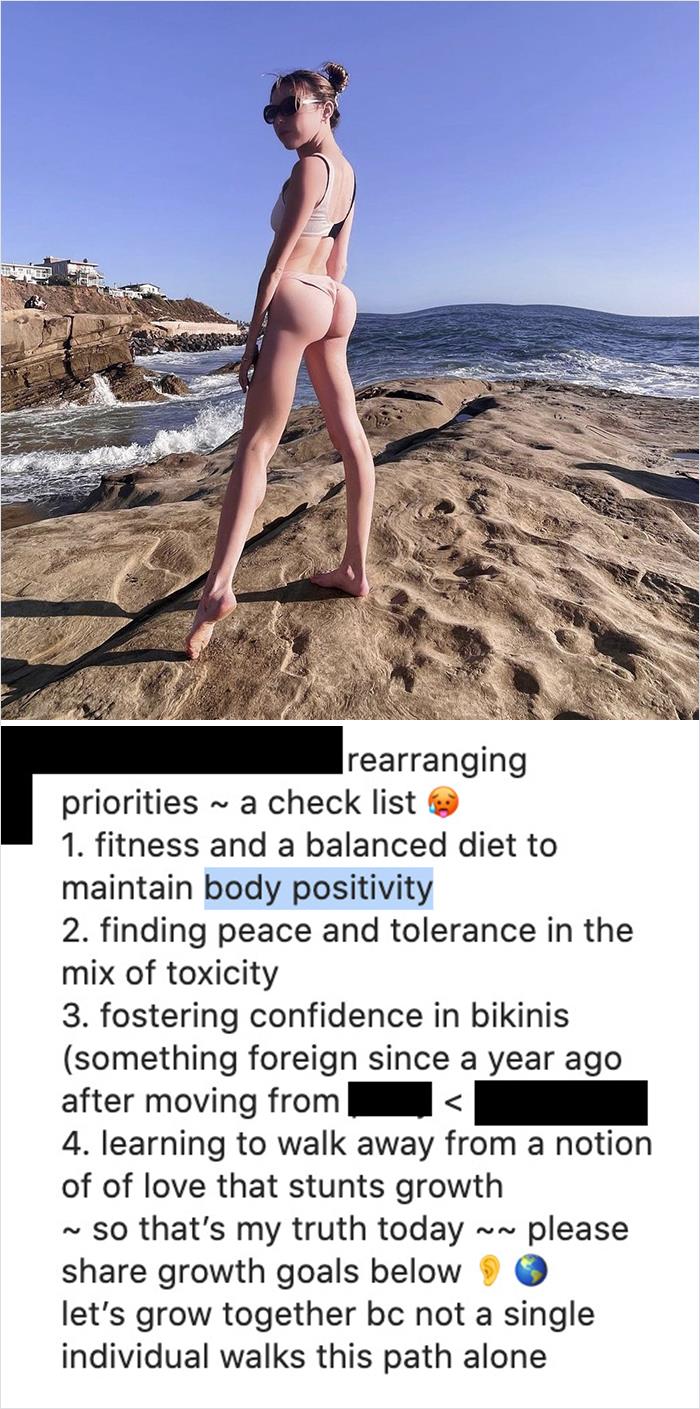
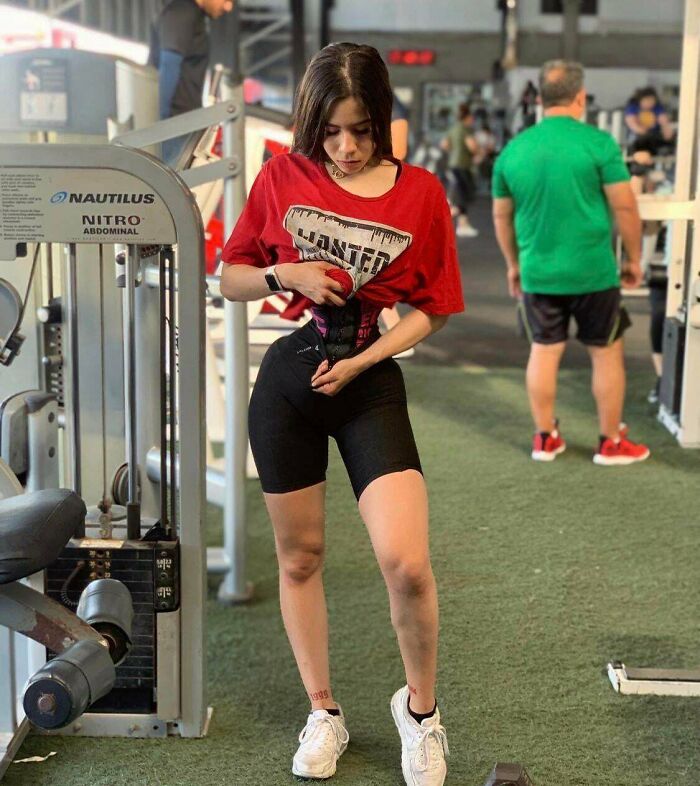
It’s not just makeup; it’s pose physics. Influencers routinely contort their bodies into wild, pretzel-like positions to catch the light and create dramatic curves. Recreating these poses at home usually results in painful muscle cramps, an awkward stance, and photos that look like a cry for medical help rather than a high-fashion look.
Why “Instagram vs. Reality” is Actually Good for Us
While these viral compilations are undoubtedly funny, they also serve a vital psychological purpose. The constant bombardment of flawless, AI-enhanced, and heavily edited imagery can warp our perception of normalcy, driving up body image anxieties and unrealistic standard expectations.
Seeing a side-by-side comparison of a flawless influencer photo next to the unedited version—complete with normal skin texture, rolls, and candid angles—acts as a collective deep breath for the internet. It democratizes beauty and laughs off the pressure to look like a living filter.
💡 The Reality Checklist: The next time you feel discouraged because a beauty tutorial didn’t turn out looking like the video, remember the hidden ingredients behind the screen: professional ring lights, professional editing software, blurring filters, and a very specific, static angle. Your real, textured, human face isn’t failing the trend—the trend is failing reality.